
Core fluidics for analytical instruments
RKTH / BEIJINGPrecision flow paths start with reliable switching
Across switching, stream selection, pressure regulation, flow stabilization, and system control, Ruiketongheng supplies the engineering behind chromatography, process analytics, and laboratory automation—from core valves to complete gas paths.
01/ 06 SYSTEM FAMILIES
System capabilities / 01
Not isolated components. One complete flow path.
01
From two-position switching to 42-stream selection
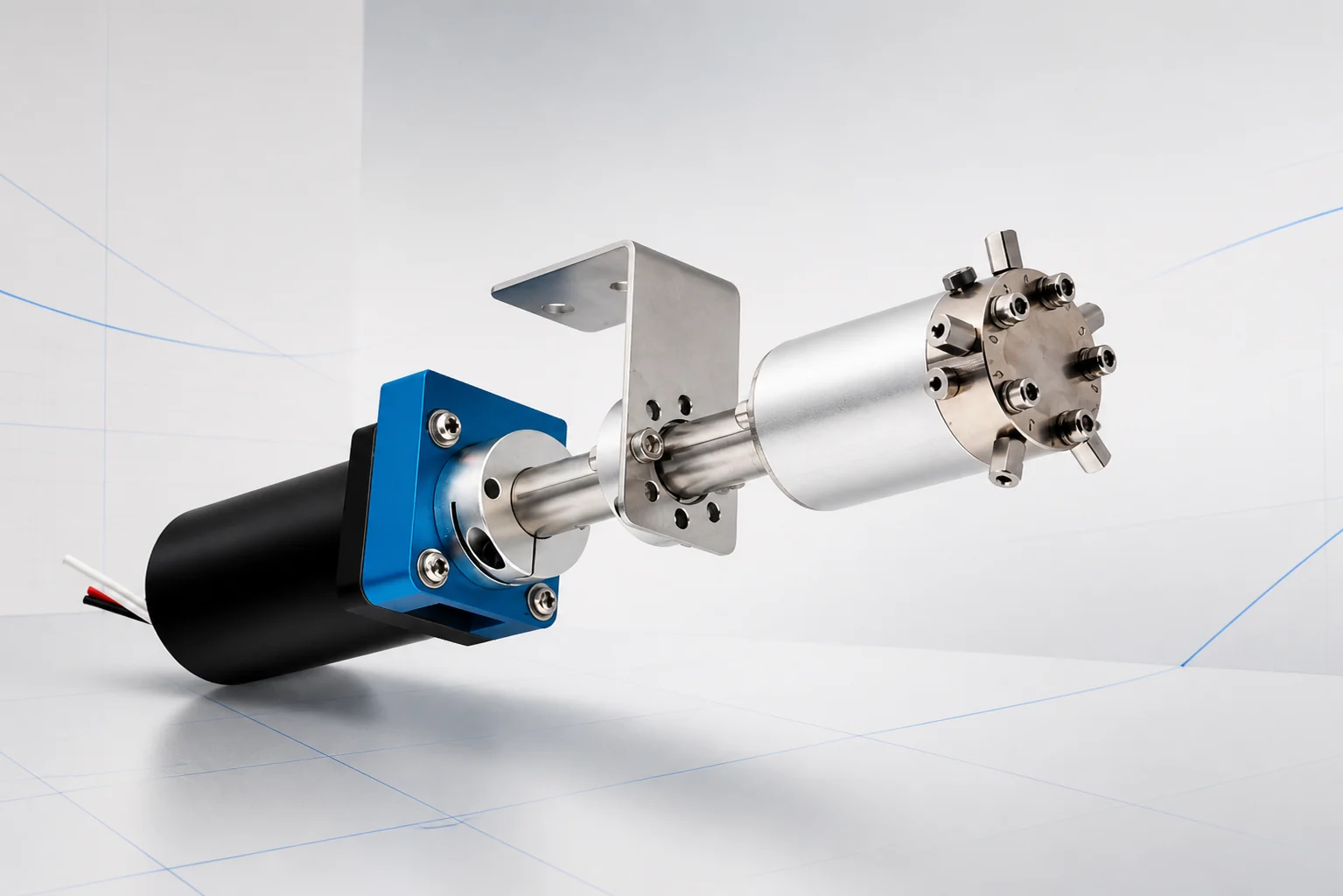
The QH family covers electric, pneumatic, and manual switching. XT selectors bring multiple samples into a common analytical channel and can add purge, homing, and communications.
- QH-D / QH-DC electric switching
- QH-QZ / QH-Q pneumatic switching
- XT-D / XT-DG1000 stream selection
 QH-D · QH-DC · XT-D
02
Pressure regulation, flow stabilization, and fine metering
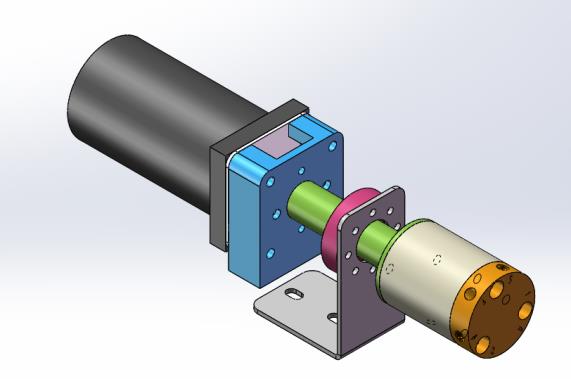
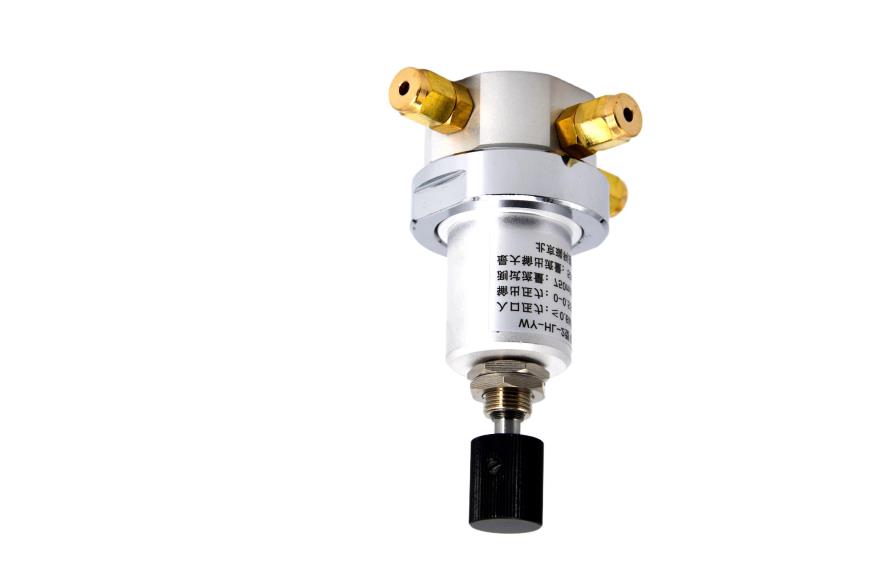
WY regulators, WL flow-stabilizing valves, ZF needle valves, and back-pressure units can be combined into sample-conditioning and analytical gas paths, selected around inlet variation, target flow, back pressure, and wetted materials.
- Low differential pressure and micro-flow control
- 316L, PEEK, and other wetted paths
- Integrates with filters, check, and back-pressure units
 WY · WL · ZF · BYF
03
Bring valves, sensing, temperature, and communications into one system
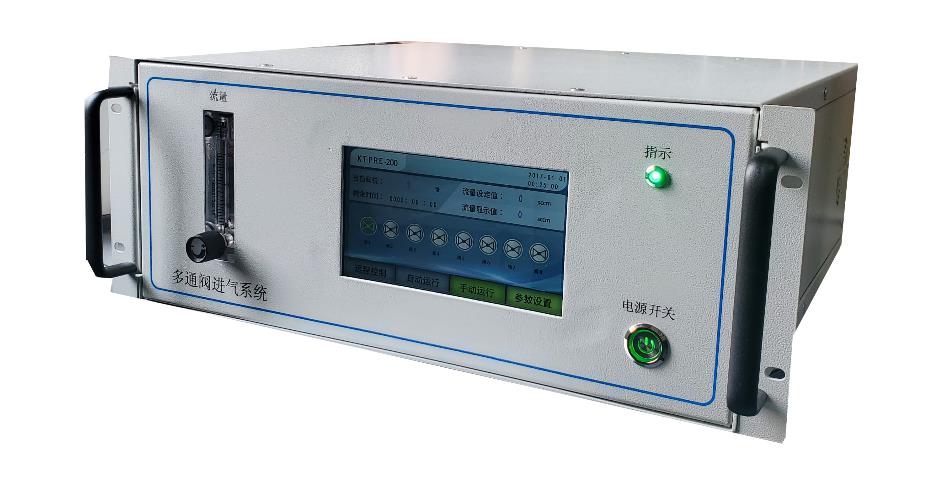
KZQ / RK controllers, Mini·Gas electronic pressure control, JRBOX heated modules, and custom gas-path assemblies can be coordinated around instrument space, sequence logic, and communications.
- RS485 / Modbus RTU communication options
- Coordinated valve, pressure, and temperature states
- Modules, subsystems, or complete gas paths
 KZQ · RK · Mini·Gas · JRBOX
Quality commitment
Start with operating conditions—not a guessed model number.Every pressure, temperature, and life figure must be confirmed against the exact series, media, connections, and test conditions.
Quality-management claims are subject to current certificates and supply documentation.
Confirm wetted materials, seal compatibility, and required records per project.
Define acceptance around leak, actuation, pressure, and functional boundaries.